A car ignition that hesitates, sticks, or refuses to turn typically signals worn wafer tumblers inside the ignition cylinder — not a dead battery. Arizona’s extreme heat accelerates the wear on these internal brass components, causing the cylinder to bind against the key blade. A licensed locksmith inspects the wafer stack, tests the electrical switch behind the cylinder, and either repairs or replaces the assembly on-site.
Prices shown reflect general market ranges for the Tempe and Phoenix metro area as of 2026. Actual costs depend on your vehicle’s year, make, model, and the extent of ignition damage. Contact us directly for a personalized quote.
You slide your key into the ignition, turn it, and nothing feels right. Maybe it sticks halfway, maybe it turns but the engine doesn’t crank, or maybe the key won’t go in at all. For drivers in Tempe, these symptoms tend to show up during the hottest months — and they almost never fix themselves. Ignoring an ignition problem doesn’t just mean inconvenience. It means a real chance of getting stranded in a parking lot at Tempe Marketplace or along the 101 when the cylinder finally locks up completely.
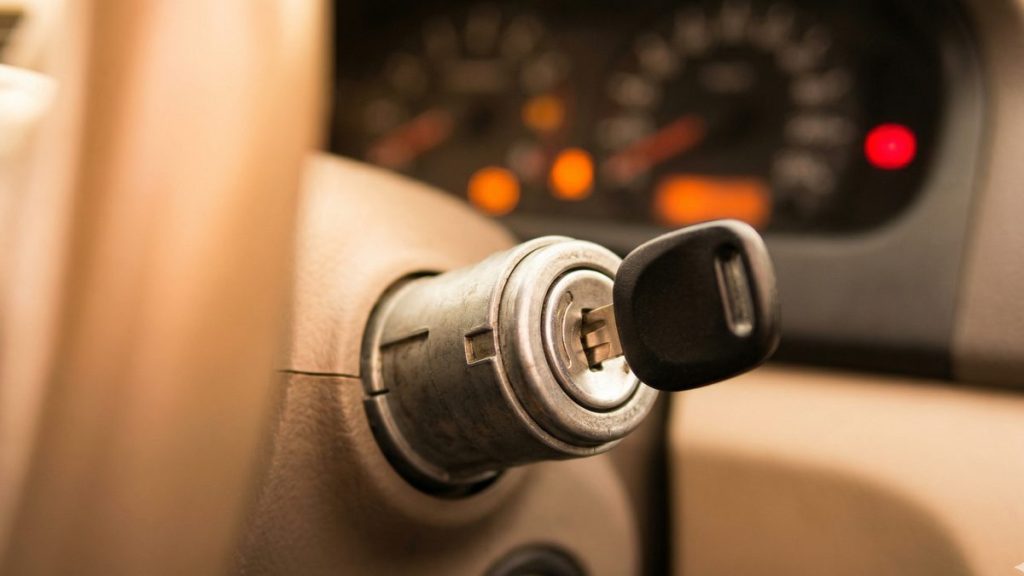
The ignition cylinder is a mechanical assembly with a stack of spring-loaded wafer tumblers that match the cuts on your key blade. Every time you insert and turn the key, metal slides against metal. Over thousands of cycles, the wafers lose their precise tolerances. The springs weaken. The cylinder bore accumulates microscopic debris from key blade wear and desert dust that works its way into the keyway. Eventually, the tumblers can’t align properly, and the cylinder either binds, jams, or spins freely without engaging the electrical switch behind it.
The fix depends entirely on what’s actually failing — the cylinder, the electrical switch, the key itself, or the anti-theft immobilizer. A professional diagnosis separates these possibilities before any parts get replaced. That distinction matters because replacing a cylinder when the real problem is a worn key blade wastes money, and replacing a key when the cylinder is shot doesn’t solve anything.
CallOrange.com has been diagnosing and repairing car ignition problems in Tempe since 2015. With 4.8 stars across 1,451 Google reviews and mobile technicians who carry ignition parts and diagnostic tools on every service call, the repair happens wherever your vehicle is — your driveway, a business parking lot, or the side of the road.
| Symptom | Likely Cause | What a Pro Checks |
|---|---|---|
| Key is hard to turn | Worn wafer tumblers or heat-expanded cylinder bore | Tests wafer retraction and spring tension under controlled pressure |
| Key goes in but won’t rotate | Seized wafer stack or steering column lock engaged | Rules out column lock, then inspects cylinder bore for scoring and debris |
| Key turns but engine won’t crank | Failed ignition switch contacts behind cylinder | Multimeter continuity test across all switch positions (OFF, ACC, ON, START) |
| Grinding or clicking on key turn | Worn actuator coupling or starter solenoid connection | Inspects actuator engagement and tests starter circuit voltage |
| Dashboard lights flicker during start | Loose or corroded ignition switch contact points | Checks for intermittent resistance spikes while rotating key slowly |
| Vehicle stalls while driving | Ignition switch losing contact in RUN position | Tests switch continuity in RUN position under vibration and lateral load |
Early Warning Signs That Your Ignition Is Failing
Ignition failure rarely happens overnight. The cylinder sends warning signals for weeks or months before it locks up completely. Recognizing these signs early gives you time to schedule a repair instead of dealing with an emergency breakdown.
The key is harder to turn than it used to be. This is the most common early symptom. You find yourself applying more force than normal to rotate the key from ACC to START. The increased resistance means the wafer tumblers inside the cylinder aren’t retracting smoothly. In Arizona, this symptom accelerates during summer because thermal expansion tightens the already-worn tolerances between the wafers and the cylinder bore. What starts as slight stiffness in June can become a stuck key by August.
The key goes in but won’t turn at all. This is a step beyond stiffness — the cylinder is genuinely locked. Before assuming the ignition is broken, check that the steering wheel isn’t in a locked position. Wiggle the wheel left and right while gently turning the key. If that doesn’t work, the wafer stack has likely seized. Forcing the key risks snapping the blade inside the cylinder, which turns a repair into a more involved extraction and replacement job.
The key turns but the engine doesn’t crank. When the mechanical cylinder rotates correctly but nothing electrical happens, the problem is usually the ignition switch — the electrical component mounted behind the cylinder. The switch has contact points that wear over time, especially on vehicles with heavy keychains that put constant lateral pressure on the cylinder and switch assembly. This symptom can also appear intermittently, working on the third or fourth try before failing again.
You hear grinding or clicking when turning the key. Grinding indicates metal-on-metal contact where the cylinder’s actuator engages the switch. Clicking without engine cranking points to a weak starter solenoid connection, which can originate at the switch. Either sound means internal components are physically degrading.
The dashboard lights flicker or cut out during key rotation. Loose internal contacts in the ignition switch cause momentary power interruptions as the key passes through positions. You might notice the radio resetting, dashboard lights blinking, or the clock losing its time setting. These electrical glitches trace back to a switch that can’t maintain steady contact across all positions.
The vehicle stalls while driving. This is the most dangerous symptom. A failing ignition switch can lose contact in the RUN position, killing engine power without warning. If your vehicle has shut off while driving — even once — treat the ignition repair as urgent. A stall on the I-10 or Loop 202 at highway speed is a serious safety risk.
How Arizona Heat Damages Your Ignition System
Desert heat doesn’t just make your car uncomfortable. It directly accelerates the mechanical and electrical wear patterns that cause ignition failure. Understanding the specific heat-related damage mechanisms helps explain why ignition problems are more common in the Phoenix metro area than in milder climates.
Thermal expansion changes metal tolerances. The ignition cylinder, wafer tumblers, key blade, and housing are all metal components with slightly different thermal expansion rates. When cabin temperatures reach 150°F or higher inside a parked vehicle, these components expand unevenly. The wafers may press harder against the cylinder bore, the key blade may fit tighter in the keyway, and the spring tension changes. Over hundreds of heat-cool cycles per summer, the cumulative dimensional changes accelerate wear beyond what the manufacturer designed for.
Plastic components become brittle. The ignition housing, the bezel around the cylinder, and some internal actuator components use engineered plastics. Arizona’s UV exposure through windshields and sustained heat causes these plastics to lose flexibility over three to five years. Brittle plastic components crack under normal use forces, and once the housing cracks, debris enters the cylinder and wafer stack alignment shifts.
Electrical contacts oxidize faster. The ignition switch behind the cylinder uses copper or brass contact points. Heat accelerates oxidation, building a resistive layer on the contacts that weakens electrical flow. The result is intermittent starting failures — the key turns, the contacts touch, but the corroded surface can’t pass enough current to engage the starter reliably. This is why some drivers find their car starts fine in the cool morning but fails to start after sitting in a hot parking lot all afternoon.
Key blades wear faster from expanded cylinders. When you force a key into a heat-expanded cylinder repeatedly, the key blade wears down along its cut edges. A worn key compounds the cylinder problem — now both the key and the cylinder are out of spec. A replacement car key cut to factory specifications often restores smooth operation if the cylinder itself hasn’t crossed the damage threshold.
Dashboard and steering column temperatures concentrate heat. The ignition cylinder sits in the steering column, which is directly exposed to windshield-magnified sunlight. Surface temperatures on the dashboard and steering column regularly exceed ambient cabin temperature. The cylinder absorbs and retains this heat longer than other interior components because of its metal mass, which means the expansion effects persist even after you start the engine and run the AC.
What a Locksmith Checks During Ignition Diagnosis
Professional ignition diagnosis follows a systematic process that isolates the failing component before recommending repair or replacement. This matters because the symptoms of a worn cylinder, a failing switch, a worn key, and an immobilizer fault can overlap significantly.
Key blade inspection comes first. The technician examines the key’s cut edges under magnification, comparing wear patterns against the original bitting depth. A key that’s worn down even a fraction of a millimeter may not engage the wafer tumblers at the correct depth, mimicking a cylinder failure. If the key is worn but the cylinder is intact, cutting a new car key to OEM specifications solves the problem at a fraction of the cost of cylinder replacement.
Cylinder function test follows. Using a calibrated pick set and tension tools, the technician tests whether the wafer tumblers retract and return properly under spring pressure. Tumblers that stick, fail to return, or feel gritty indicate internal wear or debris contamination. The technician also checks for cylinder free-spin — a condition where the actuator coupling has broken and the cylinder rotates without engaging the switch. Free-spin means the cylinder needs replacement regardless of wafer condition.
Electrical switch continuity test. With the cylinder in each key position (OFF, ACC, ON, START), the technician uses a multimeter to verify that the switch passes current to the correct circuits. Resistance readings that spike or drop intermittently confirm worn contact points inside the switch. On some vehicles, the switch can be replaced independently of the cylinder, which reduces the repair cost.
Immobilizer system check. Modern vehicles with transponder keys or smart key systems add an electronic layer to the ignition process. The immobilizer must recognize the key’s transponder chip before allowing the engine to start. If the chip signal is weak — common with heat-damaged transponder keys — the engine cranks but won’t fire, or the security light on the dashboard stays illuminated. The technician uses a diagnostic scanner to read the immobilizer status and determine whether the key, the antenna ring, or the ECU module needs attention.
Steering column inspection. On vehicles where the ignition cylinder is column-mounted, the technician checks for play or looseness in the column housing. A loose housing allows the cylinder to shift under key pressure, which accelerates wear and can cause intermittent contact with the switch. Tightening or shimming the housing is a straightforward fix that extends the life of the cylinder.
Ignition Repair Versus Full Replacement
Not every ignition problem requires a complete cylinder and switch replacement. The right approach depends on which components have actually failed and how far the damage has progressed.
Wafer tumbler rebuild is the least invasive option. If the cylinder bore is still within tolerance and only a few tumblers are worn or broken, a locksmith can disassemble the cylinder, replace the damaged wafers and springs, and reassemble the unit. This restores proper key engagement without replacing the entire cylinder. The advantage is lower cost and keeping your existing key — no new keys to cut or program. This option works best when the problem is caught early, before the cylinder bore itself is scored.
Cylinder replacement is necessary when the bore is worn, scored, or the actuator coupling is broken. The old cylinder comes out, a new one goes in, and the locksmith cuts new keys to match the new cylinder’s wafer pattern. On vehicles with transponder systems, the new keys also need programming to the immobilizer ECU. This is the most common repair for vehicles with more than 100,000 miles or more than eight years of Arizona heat exposure.
Ignition switch replacement addresses the electrical component independently. When the cylinder turns smoothly but electrical symptoms persist — intermittent starting, dashboard flickering, stalling — the switch is the problem. On many vehicles, the switch mounts behind the cylinder with a few screws and a wiring harness connector. Replacing it doesn’t require new keys or reprogramming.
Full ignition assembly replacement covers both the cylinder and switch as a single unit. Some vehicle manufacturers design these as integrated assemblies that can’t be separated. In those cases, replacement means a new cylinder, new switch, new keys, and reprogramming. This is the most involved option but provides a complete fresh start for the entire ignition system.
A technician from CallOrange.com diagnoses the specific failure and recommends only the repair level that the situation actually requires. Replacing the full assembly when only a switch needs attention wastes money. Rebuilding tumblers when the bore is scored wastes time. Accurate diagnosis prevents both.
What Ignition Repair Costs in the Tempe Market
Ignition repair pricing varies based on the scope of work and the vehicle make and model. Here’s what drivers in the Phoenix metro area can expect for the most common ignition services in 2026.
Key duplication and cutting falls at the low end of the cost range. If diagnosis reveals that the ignition cylinder is fine but the key blade is worn, a new key cut to factory specifications resolves the problem without touching the ignition hardware. Transponder keys cost more than standard mechanical keys because the chip needs programming to match the vehicle’s immobilizer.
Wafer rebuild and cylinder service — cleaning, re-pinning, and lubricating the existing cylinder — falls in the mid-range. This is a labor-intensive repair but avoids the cost of new cylinder hardware. It’s the most cost-effective option for vehicles where the damage is limited to a few worn tumblers.
Full cylinder replacement with new keys is the most common repair and carries a higher cost that reflects both parts and programming time. The price depends heavily on the vehicle — domestic brands tend to cost less than European or luxury vehicles because the parts are more readily available and the programming protocols are simpler.
Ignition switch replacement varies by vehicle design. On models where the switch is easily accessible behind the cylinder, it’s a moderate repair. On vehicles where reaching the switch requires significant steering column disassembly, labor time increases the cost.
Factors that influence final pricing:
- Vehicle make, model, and year — a Honda Civic ignition costs less than a BMW 3 Series
- Whether the vehicle has a transponder or smart key system requiring programming
- Whether the repair is cylinder only, switch only, or full assembly
- Time of service — standard business hours versus evening or weekend
- Mobile service at your Tempe location versus towing to a shop
Dealership pricing runs significantly higher for the same repair because of facility overhead, parts markup, and the scheduling delays that often mean paying for a tow and waiting days for an appointment. A mobile locksmith performs the same repair on-site, typically within the same day.
Preventing Ignition Problems in the Desert
Proactive maintenance extends the life of your ignition system and reduces the chance of a no-start emergency. These steps are simple and particularly important for vehicles parked outdoors in the Tempe and Phoenix area.
Use your key smoothly — never force it. If the key resists, stop. Wiggle the steering wheel to release the column lock. Jiggling or forcing the key accelerates wear on both the key blade and the wafer tumblers. The 30 seconds you save by muscling the key costs you hundreds in premature cylinder wear.
Keep your keychain light. A heavy keychain hanging from the ignition creates constant lateral force on the cylinder and the switch behind it. Over time, this force wears the cylinder bore unevenly and loosens the switch contacts. Remove everything except the ignition key and one or two small items.
Use a windshield sun shade. Reducing cabin temperature directly reduces thermal stress on the ignition cylinder and all dashboard electronics. A reflective sun shade cuts interior temperatures by 30–40°F. For vehicles parked outdoors all day in Tempe, this is the single most impactful preventive step.
Get a spare key cut before you need one. A worn key accelerates cylinder wear. Having a fresh key cut to factory specifications and rotating between two keys extends the life of both the keys and the cylinder. Your automotive locksmith can cut and program a spare during a routine visit.
Don’t ignore early symptoms. A key that requires extra force today will be a key that gets stuck next month. Schedule a diagnostic visit at the first sign of resistance, grinding, or intermittent starting. Early intervention almost always means a simpler, less expensive repair.
Frequently Asked Questions
How do I know if my ignition needs repair?
The most common signs are a key that’s harder to turn than usual, a key that goes in but won’t rotate, grinding sounds during key rotation, and intermittent starting failures. If your dashboard lights flicker when turning the key or the vehicle has stalled while driving, the ignition switch or cylinder likely needs professional attention.
Can a locksmith fix my ignition or just the dealership?
A licensed automotive locksmith can diagnose, repair, and replace ignition cylinders and switches for virtually all vehicle makes and models. The process uses the same diagnostic approach as a dealership. Mobile locksmiths perform the work at your location, which eliminates towing costs and dealership scheduling delays.
Will I need new keys after ignition replacement?
It depends on the repair. If only the ignition switch is replaced, your existing keys continue to work. If the ignition cylinder is replaced, new keys are cut to match the new cylinder. On vehicles with transponder systems, the new keys also need programming to the vehicle’s immobilizer before the engine will start.
Does Arizona heat cause ignition problems?
Yes. Sustained temperatures above 110°F cause thermal expansion in the ignition cylinder’s metal components, accelerating wear on the wafer tumblers and bore. The heat also degrades plastic housing components, oxidizes electrical contacts in the switch, and shortens the lifespan of the internal springs. Ignition failures are more common in the Phoenix metro area than in milder climates.
How long does ignition repair take on-site?
Most ignition repairs take 45 minutes to 90 minutes once the technician arrives. A simple switch replacement is on the shorter end. A full cylinder replacement with new key cutting and transponder programming takes closer to 90 minutes. The technician carries all parts and tools needed to complete the job in a single visit.
Is it safe to drive with a failing ignition?
No. A failing ignition switch can lose contact in the RUN position and kill the engine without warning while you’re driving. This is especially dangerous at highway speeds on the I-10 or Loop 202. If your vehicle has stalled even once, treat the ignition repair as an urgent safety issue and avoid driving until it’s fixed.
Do I need ID for ignition repair service?
Yes. A valid government-issued photo ID and current vehicle registration are required before any ignition work begins. This is a standard security measure across the locksmith industry that protects vehicle owners from unauthorized access to their ignition system.
Getting Your Ignition Diagnosed in Tempe
A failing ignition gives warning signs before it leaves you stranded. The sooner you address stiffness, grinding, intermittent starting, or dashboard flickering, the simpler and less expensive the fix will be. Waiting until the cylinder locks up completely or the vehicle stalls in traffic turns a routine repair into an emergency.
CallOrange.com has been repairing ignition systems across the Tempe and Phoenix metro area since 2015, with 1,451 Google reviews at 4.8 stars. Every mobile technician carries ignition cylinders, switches, key cutting equipment, and transponder programming tools — so the diagnosis and repair happen in a single visit at your location. Licensed, insured, and equipped to work on every major vehicle brand on the road today.
Call (480) 847-2635 to describe your symptoms and schedule a diagnostic visit. Bring your vehicle registration and a valid photo ID — both are required before any ignition work. You can also reach out through the contact page or learn more about the service team on the about us page.