
locked-out-of-house-tempe

Locked Out of Your House in Tempe? Here’s What to Do

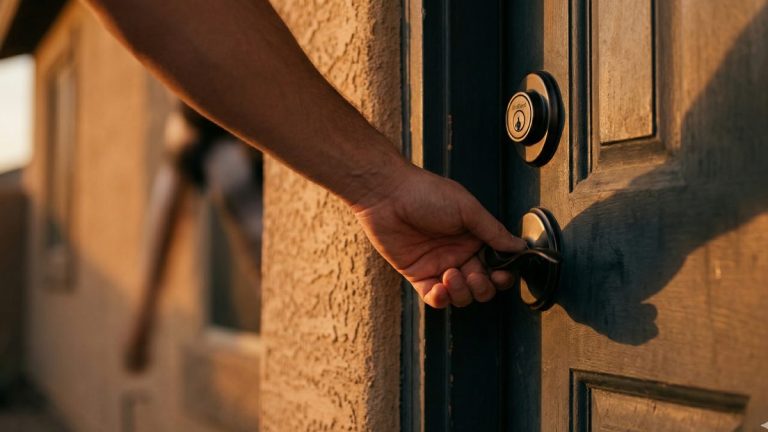
Getting locked out of your house in Tempe usually happens when a deadbolt latch engages behind a closed door, a key breaks inside the cylinder, or a smart lock loses its electronic connection. A licensed locksmith uses non-destructive entry techniques — pick sets, bypass tools, or bump-resistant methods — to open the door without damaging the lock, frame, or finish. Once inside, the technician inspects the lock and key to determine whether the lockout was caused by a worn component that needs repair.
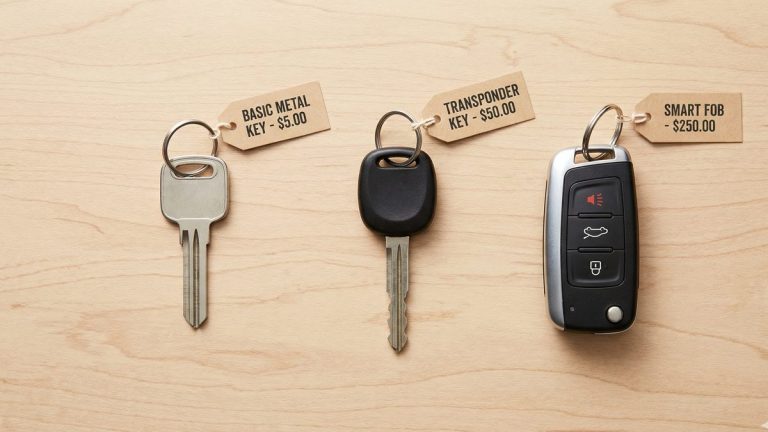
Prices shown reflect general market ranges for the Tempe and Phoenix metro area as of 2026. Actual costs depend on your lock type, time of service, and whether additional work like rekeying or lock replacement is needed. Contact us directly for a personalized quote.

It happens without warning. You step outside to grab a package from the porch, the door swings shut behind you, and the deadbolt clicks. Your keys are on the kitchen counter. Your phone might be inside too. In Tempe, this scenario carries an extra layer of urgency that homeowners in cooler climates don’t face — standing outside during a July afternoon with surface temperatures above 150°F on concrete and stucco isn’t just uncomfortable. It’s a genuine health concern, especially for children, elderly residents, and pets left inside without someone to manage the thermostat.

The instinct is to try forcing the door, checking windows, or searching for a hidden key. But forcing entry risks damaging the door frame, bending the deadbolt, or breaking a window — all of which cost far more to repair than a professional home lockout service call. Windows in Arizona homes are often dual-pane for heat insulation, and replacing one runs hundreds of dollars. A damaged door frame compromises both security and weatherproofing in a climate where keeping conditioned air inside is essential.

The right approach is calling a licensed locksmith who specializes in residential lockout response. The technician arrives with the tools and training to open your specific lock type without damage — whether it’s a standard pin tumbler deadbolt, a Schlage keypad lock, a Kwikset SmartKey cylinder, or a smart lock from August, Yale, or Ring. The process takes minutes, and once you’re inside, the locksmith can address whatever caused the lockout in the first place.

CallOrange.com has been responding to house lockouts across Tempe and the Phoenix metro area since 2015. With 4.8 stars across 1,451 Google reviews, mobile technicians arrive at your location equipped to handle every residential lock type on the market. From historic homes near downtown Tempe to newer builds in Tempe South, the residential locksmith team knows the lock hardware and door configurations common to this area.

Lockout Scenario Common Cause What a Pro Does
Door closed and deadbolt engaged on its own Heat-related door expansion pushes bolt into strike plate Non-destructive pick or bypass entry; adjusts bolt alignment
Key turns but deadbolt won’t retract Worn pin tumblers or debris in cylinder from desert dust Picks cylinder to open; cleans and lubricates internals
Key broke off inside the lock Worn key blade or heat-warped key forced into cylinder Extracts broken fragment with extractor tools; tests cylinder
Smart lock keypad won’t respond Dead batteries or overheated electronic module Emergency 9V terminal power restore; replaces batteries
Knob lock locked from inside, no key needed to lock Privacy or passage knob auto-locked when door pulled shut Bypasses knob lock mechanism with credit-card shim or tool
Garage door won’t open, house door locked Garage motor overheated or circuit board failed Opens house door via lock manipulation; advises on garage repair
Door closed and deadbolt engaged on its own
Common CauseHeat-related door expansion pushes bolt into strike plate
What a Pro DoesNon-destructive pick or bypass entry; adjusts bolt alignment
Key turns but deadbolt won’t retract
Common CauseWorn pin tumblers or debris in cylinder from desert dust
What a Pro DoesPicks cylinder to open; cleans and lubricates internals
Key broke off inside the lock
Common CauseWorn key blade or heat-warped key forced into cylinder
What a Pro DoesExtracts broken fragment with extractor tools; tests cylinder
Smart lock keypad won’t respond
Common CauseDead batteries or overheated electronic module
What a Pro DoesEmergency 9V terminal power restore; replaces batteries
Knob lock locked from inside, no key needed to lock
Common CausePrivacy or passage knob auto-locked when door pulled shut
What a Pro DoesBypasses knob lock mechanism with credit-card shim or tool
Garage door won’t open, house door locked
Common CauseGarage motor overheated or circuit board failed
What a Pro DoesOpens house door via lock manipulation; advises on garage repair

What to Do Immediately When You’re Locked Out

The first few minutes after realizing you’re locked out of your house in Tempe matter more than you’d think. Taking the right steps in order prevents panic decisions that make the situation worse or more expensive.

Check all doors and accessible windows first. Walk the perimeter of your home and test every entry point — front door, back door, garage side door, sliding patio door, and any ground-floor windows. In Tempe’s older neighborhoods near University Drive and Apache Boulevard, many homes have casement windows that latch from inside but occasionally have gaps that allow the latch to be released with a thin tool. Don’t force anything — just check whether any entry point was left unlocked.

Check the garage. If you have an attached garage with an interior door to the house, and the garage door has a keypad with a code you remember, you may be able to enter through the garage without calling anyone. Some homes also have a garage side door with a separate key that a neighbor might have a copy of.

Call a household member or neighbor with a spare key. If anyone else has a key to your home — a spouse, roommate, family member, or trusted neighbor — calling them is the simplest and least expensive solution. This is also why having a spare key stored with a trusted person is one of the best preventive steps you can take.

Do not try to pick the lock yourself. YouTube tutorials make lock picking look simple, but attempting it without proper tools and training usually results in a damaged keyway, broken pick fragments stuck inside the cylinder, or a scratched lock face. Any of these outcomes turns a basic lockout into a lock rekey or full replacement job.

Do not try to kick the door in. A residential exterior door with a properly installed deadbolt is designed to resist exactly this kind of force. Kicking damages the door frame, splits the wood around the strike plate, and can bend the deadbolt in ways that prevent even a key from opening it afterward. The repair cost for a damaged frame and deadbolt assembly far exceeds the cost of professional lockout service.

Move to shade and call a locksmith. In Tempe’s heat, getting out of direct sunlight while you wait is a health priority. If your phone is inside, ask a neighbor to make the call. When you contact a locksmith, provide your address, the type of lock on the door (deadbolt, knob lock, smart lock), and whether any special circumstances apply — like children or pets locked inside. This information helps the technician arrive with the right tools and prioritize accordingly.

How a Locksmith Opens a Locked Door Without Damage

Professional lockout entry uses techniques that work with the lock’s mechanism rather than against it. A trained residential locksmith matches the entry method to the specific lock type on your door, preserving both the lock and the door hardware for continued use.

Pin tumbler manipulation is the most common technique for standard deadbolts from Schlage, Kwikset, Defiant, and other major brands. The technician inserts a tension wrench and pick into the keyway and manipulates the pin stack — lifting each pin pair to the shear line one at a time until the cylinder rotates. This method leaves zero damage to the lock and typically takes two to five minutes on a standard residential cylinder.

Bump key technique uses a specially cut key blank inserted into the cylinder. A controlled tap transfers energy through the pin stack, momentarily aligning all pins at the shear line. The technician applies light rotational pressure at the exact moment of impact to turn the cylinder. This method works on most standard pin tumbler locks but not on bump-resistant models from Medeco, Mul-T-Lock, or Schlage Primus.

Bypass tools are used for specific lock models that have known bypass vulnerabilities. For example, certain Kwikset SmartKey cylinders can be bypassed using a thin tool that reaches past the sidebar mechanism. The locksmith’s knowledge of specific lock models determines which bypass approach, if any, is applicable to your situation.

Smart lock troubleshooting takes a different approach entirely. If your smart lock has failed — dead battery, Bluetooth disconnection, keypad malfunction, or Z-Wave connectivity loss — the locksmith first attempts electronic recovery. Most smart locks have a physical key backup or an emergency power terminal on the exterior. A 9V battery held against the terminal can provide enough power to enter a code or turn the motor. If electronic recovery fails, the technician falls back to mechanical bypass of the lock’s internal cylinder.

None of these methods damage your door, frame, or lock finish. A professional lockout call should leave your entry hardware in the same condition it was in before the lockout. If a locksmith tells you the lock needs to be drilled or the door needs to be forced on a standard residential lockout, that’s a red flag — either the technician lacks proper training or they’re upselling unnecessary lock replacement work.

Why Lockouts Are More Common in Arizona

Arizona’s climate and housing characteristics create conditions that increase lockout frequency compared to more temperate regions. Understanding these factors helps you take targeted preventive steps.

Heat-related door expansion causes self-locking. Tempe homes — especially those with south-facing and west-facing exterior doors — experience significant thermal expansion during summer months. A wooden door that fits its frame perfectly in January may swell by a fraction of an inch in July, increasing friction against the latch and deadbolt. The increased friction can cause the deadbolt to engage from vibration alone — the door shuts, vibrates against the expanded frame, and the bolt slides into the strike plate without anyone turning the key. This is the most common cause of “I didn’t lock it but it locked itself” lockouts in Tempe.

Thermal warping affects key function. Brass keys left in direct sunlight — on a porch table, in a mailbox, or on a car dashboard — can develop micro-warps from uneven heating. A slightly warped key may still work most of the time but occasionally fail to align the pin stack correctly, leaving you stuck outside while the key technically fits but won’t turn. This is often misdiagnosed as a lock problem when the key itself is the issue. A locksmith can cut a fresh key to factory specifications and test whether the original key is the cause.

Smart lock battery drain accelerates in heat. If your home uses a keypad deadbolt or a smart lock with Bluetooth or Wi-Fi connectivity, the battery life drops significantly in Arizona’s summer heat. A lock that should last 12 months on a set of AA batteries might die in six to eight months on a south-facing door that absorbs afternoon heat. When the battery dies and you don’t have a physical backup key, you’re locked out.

Routine changes cause distraction lockouts. Tempe’s population includes a large number of ASU students, seasonal residents, and renters who move frequently. Settling into a new home means new lock hardware, new key management habits, and temporary routines that increase lockout risk. Grab-and-go mornings, package pickups, and taking trash to the curb are the three most common triggers for residential lockouts.

Garage door motor failures strand homeowners. Many Tempe residents enter their home exclusively through the garage. When the garage door opener fails — a common occurrence when the motor or circuit board overheats — and the interior garage-to-house door is locked, the homeowner is locked out even though they didn’t lose their keys. The locksmith opens the house door while a separate garage door service addresses the opener.

What to Do After the Locksmith Gets You Inside

Getting through the door solves the immediate problem, but there are important next steps to prevent the same situation from happening again and to address any underlying lock issues.

Ask the locksmith to inspect the lock while they’re there. Since the technician is already on-site with tools, this is the ideal time for a quick assessment. Are the pins worn? Is the keyway showing signs of debris contamination from Arizona dust? Is the deadbolt throw length adequate? Is the strike plate properly anchored with 3-inch screws into the door frame stud? A five-minute inspection can identify problems that would cause a future lockout or a security vulnerability.

Consider a rekey if you’ve recently moved in. If you bought your home or signed a new lease and never changed the locks, you don’t know how many copies of the existing key are floating around — previous owners, their family members, contractors, housekeepers, old roommates. A lock rekey changes the internal pin configuration so that old keys no longer work, and new keys are cut to match. It’s significantly less expensive than replacing the entire lock and provides the same security benefit.

Get spare keys made. The locksmith can cut spare keys on-site for your existing locks. Give one to a trusted neighbor, keep one in your wallet or a magnetic key box, and consider a small combination lockbox mounted in a discreet location near your entry. Having redundant key access is the single most effective way to prevent future lockouts.

Evaluate whether a smart lock makes sense for your situation. If lockouts are a recurring problem — you forget keys frequently, you have children who come home before you do, or you manage rental properties — a keypad or smart lock eliminates the key dependency entirely. A locksmith can install a smart lock or keypad deadbolt during the same visit. Just remember that smart locks need battery management, especially in Tempe’s heat.

Check your homeowner’s or renter’s insurance. Some policies include locksmith service coverage for lockouts. If yours does, save the receipt from the lockout call for reimbursement. It’s worth checking before the next lockout happens.

Lockout Service Costs in the Tempe Market

Residential lockout service pricing in the Phoenix metro area varies based on several factors. Here’s what the Tempe market looks like for common lockout scenarios in 2026.

Standard daytime lockout — a technician opens your door with non-destructive techniques during business hours — falls at the base of the pricing range. This covers the service call, travel to your location, and the lock manipulation itself. Most standard deadbolts and knob locks fall into this category.

After-hours and weekend lockouts may carry different rates depending on the provider. Lockouts don’t follow a schedule — they happen at 11 PM on a Sunday as often as they happen at 2 PM on a Tuesday. When comparing providers, ask specifically about their evening and weekend pricing so there are no surprises.

High-security lock lockouts — Medeco, Mul-T-Lock, Schlage Primus, ASSA Abloy — require specialized tools and more time because these locks are specifically designed to resist manipulation. The cost reflects the additional skill and equipment required.

Smart lock lockouts vary depending on the failure. If the issue is a dead battery and the locksmith restores power through the emergency terminal, it’s a straightforward call. If the lock’s electronic module has failed and mechanical bypass is needed, the complexity increases.

Additional services during the lockout visitrekeying, cutting spare keys, or replacing a lock — add to the base lockout cost but save you a separate service call later. Bundling these services during the same visit is more cost-effective than scheduling them independently.

Factors that influence your total cost:

  • Lock type and brand — standard pin tumbler vs high-security vs smart lock
  • Time of service — standard hours vs evening and weekend
  • Whether the lock was damaged before the locksmith arrived (attempted forced entry increases complexity)
  • Additional services requested during the same visit (rekey, spare keys, lock upgrade)
  • Location within the metro area — central Tempe vs outlying areas

Preventing Future Lockouts in Tempe

Every lockout is preventable with the right combination of key management habits and hardware choices. These steps are tailored to the conditions that Tempe homeowners face.

Hide a spare key in a combination lockbox, not under a mat or rock. Burglars check obvious hiding spots first. A wall-mounted lockbox with a four-digit combination — mounted near a side gate or on a back wall — provides secure key access without the risk of an unlocked door.

Give a spare key to a neighbor you trust. This is the oldest and still most reliable backup plan. Choose someone who’s home frequently and lives within walking distance.

Install a keypad deadbolt on one entry point. You don’t need to convert every lock in your home. Having one door — typically the garage entry or a back door — equipped with a keypad means you always have a code-based backup entry method. Replace the keypad batteries every six months in Arizona’s heat, and set a phone reminder so you don’t forget.

Develop a “keys first” exit routine. Make it a habit to touch your keys before opening the door to leave. Keys in hand, then open the door. This one-second habit eliminates the most common lockout trigger — stepping outside without keys.

Replace worn keys before they fail. If your key is getting harder to insert or turn, the blade edges are worn down. A worn key is a lockout waiting to happen. Have a new key cut from the original factory code — not copied from the worn key, which just duplicates the imperfections.

Check smart lock batteries proactively. If you use an electronic lock, replace batteries twice a year — once when you change your clocks for daylight saving, and once six months later. Don’t wait for the low-battery warning, which in Arizona heat may come too late.

Frequently Asked Questions

What should I do if I’m locked out of my house in Tempe?

First, check all doors and accessible windows for an unlocked entry point. Try the garage if you have a keypad code. Call a household member or neighbor who may have a spare key. If none of these work, call a licensed locksmith. Do not attempt to force the door or pick the lock yourself — both can cause expensive damage. Move to shade while you wait, especially during summer months.

Will a locksmith damage my lock during a lockout?

No. A professional locksmith uses non-destructive entry techniques — picking, bypass tools, or bump methods — that open the lock without damaging it, the door, or the frame. Drilling or forced entry should never be necessary for a standard residential lockout. If a locksmith says drilling is required on a normal deadbolt, consider getting a second opinion.

How long does it take a locksmith to open a locked house door?

Most standard residential lockouts are resolved in two to ten minutes once the locksmith arrives. High-security locks like Medeco or Mul-T-Lock may take longer because they’re specifically designed to resist manipulation. Smart lock lockouts depend on whether the issue is a dead battery (quick fix) or a failed electronic module (requires mechanical bypass).

Should I rekey my locks after a lockout?

Rekeying isn’t required after every lockout, but it’s strongly recommended if you’ve recently moved into a new home or apartment and never changed the locks. Rekeying changes the internal pin configuration so old keys no longer work. It’s also a good idea if you suspect someone has an unauthorized copy of your key.

Can a locksmith help if my smart lock stopped working?

Yes. A locksmith first attempts electronic recovery — using the emergency power terminal with a 9V battery or troubleshooting the Bluetooth or Wi-Fi connection. If the electronic module has failed completely, the locksmith bypasses the lock’s internal mechanical cylinder to get you inside. Most smart locks have a physical backup mechanism specifically for this situation.

Do I need to show ID for a home lockout service?

A reputable locksmith will ask to verify that you live at or have authorization to access the property. This typically means showing a government-issued photo ID with the address, a utility bill, a lease agreement, or another document connecting you to the property. This verification protects homeowners from unauthorized entry.

How can I prevent getting locked out of my house again?

Give a spare key to a trusted neighbor, install a combination lockbox in a discreet location, or add a keypad deadbolt to one entry door. Develop a habit of touching your keys before opening the door to leave. Replace worn keys before they fail, and if you use a smart lock, replace batteries every six months in Arizona’s heat instead of waiting for the low-battery warning.

Getting Help When You’re Locked Out in Tempe

A house lockout in Tempe isn’t something you should try to solve by force or by waiting it out — especially in extreme heat. A licensed locksmith opens your door in minutes without damage, inspects your lock for underlying issues, and can cut spare keys or rekey your locks on the same visit to prevent it from happening again.

CallOrange.com has been handling residential lockouts in Tempe and across the Phoenix metro area since 2015. With 1,451 Google reviews at 4.8 stars, our licensed and insured mobile technicians arrive equipped for every lock type — pin tumbler, high-security, smart lock, and keypad. Service is available seven days a week.

Call (480) 847-2635 and let us know your address, the lock type if you know it, and whether anyone (children, elderly, pets) is inside. You can also reach out through the contact page or learn more about our team on the about us page.

car-key-replacement-cost-tempe

Car Key Replacement Cost in Tempe, AZ — What You’ll Actually Pay

Car key replacement prices in Tempe range from $45 to $350+ depending on key type, vehicle year, and programming requirements. A basic mechanical key for older models costs the least, while push-to-start proximity fobs for European vehicles sit at the top of the range. A licensed locksmith diagnoses the exact key type your vehicle needs and programs it on-site to match your car’s immobilizer system.

Prices shown reflect general market ranges for the Tempe and Phoenix metro area as of 2026. Your actual cost depends on vehicle make, model, key type, and parts availability. Call (480) 847-2635 for an exact quote before service.

You’re standing in a parking lot somewhere near Mill Avenue or off the 101, holding a key that snapped in the ignition — or maybe you lost the only copy you had. The first thing that crosses your mind is how much this is going to cost. The second is who to call. Both are valid concerns, and the answers depend on several factors most drivers don’t think about until they’re in this exact situation.

The price gap between key types has widened significantly over the past decade. A standard metal key blank and a proximity fob with rolling-code encryption are completely different products, even though both “start your car.” The technology inside each key determines the equipment needed, the time required, and ultimately the cost. In Tempe’s extreme summer heat — where dashboard temperatures regularly exceed 160°F — plastic transponder housings and fob batteries degrade significantly, making replacement more common here than in milder climates.

CallOrange.com has provided automotive locksmith services in Tempe since 2015, programming and cutting keys for virtually every make and model on the road. Our licensed and insured technicians bring the tools and key blanks directly to your location — no tow truck needed, no dealership markup.

Key Type Cost Range Programming Required Common Vehicles
Basic Mechanical Key $45 – $75 No Pre-1997 models, utility vehicles
Transponder Chip Key $75 – $180 Yes — chip to immobilizer Honda Civic, Toyota Corolla, Ford F-150
Remote Head Key $120 – $225 Yes — chip + remote sync Toyota Camry, Honda Accord, Nissan Altima
Proximity / Smart Key Fob $150 – $350+ Yes — encrypted rolling code Toyota RAV4, Hyundai Tucson, Kia Sportage
European Smart Key $250 – $400+ Yes — dealer-level software BMW 3-Series, Mercedes C-Class, Audi A4
All Keys Lost (add-on) + $50 – $150 Full immobilizer reset Any vehicle — no working key available
Ignition + Key Bundle $200 – $450 Yes — ignition + key match Older Honda, GM, Chrysler models
Spare Key (with original) $75 – $120 Clone from existing key Most makes and models

Car Key Types and What Each One Costs

Not every car key is the same, and the type your vehicle uses is the single biggest factor in replacement cost. Here’s what Tempe drivers encounter most often.

Basic mechanical keys are simple metal-cut keys with no electronics. Vehicles manufactured before the mid-1990s typically use these. Replacement runs between $45 and $75, including cutting on-site. These keys don’t require programming because there’s no chip inside — the physical cut pattern is the only security layer.

Transponder chip keys contain a small radio-frequency chip embedded in the plastic head. When you insert the key and turn the ignition, the chip sends a coded signal to your vehicle’s immobilizer. If the codes don’t match, the engine won’t start. Most vehicles from 1997 onward use some form of transponder technology. Replacement typically costs $75 to $180 depending on the vehicle brand and whether the locksmith can clone from an existing key or needs to program from scratch through the OBD-II port.

Remote head keys combine a transponder chip with integrated buttons for lock, unlock, and trunk release — all in one unit. These are standard on most mid-2000s to mid-2010s vehicles. The cost ranges from $120 to $225 because the locksmith must cut the blade, program the transponder chip, and sync the remote functions separately.

Proximity fobs and smart keys are the most advanced and most expensive to replace. These push-to-start key fobs communicate with your vehicle through encrypted radio signals and never need to physically enter the ignition. Replacing one costs between $150 and $350+, depending on the brand. European vehicles like BMW, Mercedes, and Audi tend to be at the higher end because their encryption protocols require specialized software and dealer-level programming tools.

Why Location and Vehicle Brand Affect Your Price

Two drivers in Tempe can need the same service — “replace my car key” — and pay very different amounts. The vehicle brand and the specifics of the situation explain why.

Japanese brands (Toyota, Honda, Nissan, Subaru) generally fall in the moderate range. Their transponder systems use well-documented protocols, and aftermarket key blanks are widely available. A Toyota Camry transponder key might cost $90 to $140 to replace and program on-site.

American brands (Ford, Chevrolet, Dodge, Jeep) vary widely. Older Ford models with the PATS (Passive Anti-Theft System) are straightforward. Newer Dodge and Jeep vehicles with the Fobik key system cost more because the fob and transponder are integrated into a single unit that requires dealer-level access to program.

European brands (BMW, Mercedes-Benz, Volkswagen, Audi) are consistently the most expensive. Their security systems use layered encryption, and many require the locksmith to connect directly to the vehicle’s onboard computer. A Mercedes smart key replacement can run $250 to $400 depending on the model year.

The “all keys lost” scenario is always more expensive than having a spare. When you have at least one working key, a locksmith can often clone or add a new key to the system in minutes. When every key is gone, the technician must access the vehicle’s security system from scratch — resetting the immobilizer, programming a new master key, and sometimes replacing the ignition cylinder entirely. This process adds $50 to $150 to the total cost. If you’re in this situation, our car key replacement specialists handle all-keys-lost jobs daily across the Tempe metro area.

Dealership vs. Locksmith — Comparing Your Options

Most dealerships in the Phoenix metro area charge between $200 and $500 for a replacement key, and the process typically requires towing the vehicle to the dealer, waiting 3 to 7 business days for the key to be ordered, and paying separately for programming. For a car that’s already sitting in your driveway or a parking lot, that’s a significant inconvenience on top of the cost.

A mobile locksmith brings the key blanks, cutting machine, and programming equipment directly to you. The entire process — from arrival to handing you a working key — usually takes 30 to 60 minutes on-site. The cost savings compared to a dealership average 30% to 50%, and there’s no towing expense.

There’s one exception where a dealership might be necessary: some ultra-high-security vehicles (certain Volvo, Tesla, and late-model Mercedes models) use proprietary programming that only authorized dealers can access. A qualified locksmith will tell you upfront if your vehicle falls into this category rather than waste your time.

For the majority of vehicles on Tempe roads — Hondas, Toyotas, Fords, Chevys, Hyundais, Kias — a licensed mobile locksmith handles the job at a lower price and with same-day service. You can request a quote from our team before we dispatch, so there are no surprises when the technician arrives.

How Arizona Heat Damages Car Keys and Fobs

Living in the Tempe and Phoenix metro area means your car keys endure conditions that drivers in other states never deal with. Arizona’s summer heat plays a direct role in how often keys fail and need replacement.

Transponder chip delamination happens when the plastic housing around the chip expands and contracts through repeated heat cycles. Dashboard temperatures inside a parked car in Tempe can hit 170°F between June and September. Over time, this thermal stress cracks the internal antenna connection between the chip and the key housing, causing intermittent starting failures that eventually become permanent.

Key fob battery drain accelerates in extreme heat. The lithium coin-cell batteries inside fobs are rated for moderate temperatures. Consistent exposure to 110°F+ ambient air — common in Tempe from May through October — shortens battery life from the typical 2 to 3 years down to 12 to 18 months. When the battery dies in a proximity fob, many drivers assume the fob itself is broken.

Plastic housing warping affects both transponder keys and fobs. The buttons on remote head keys become soft and unresponsive. The blade on flip keys may not deploy properly because the spring mechanism housing has deformed. We see a noticeable increase in car remote and fob issues every summer at our Tempe location.

UV degradation breaks down rubber gaskets and button pads on key fobs left on dashboards or hung from rearview mirrors. The infrared signal can weaken as the fob’s plastic lens yellows and clouds, reducing the effective range from 30 feet down to 5 feet or less.

The takeaway: store your spare key indoors, not in the glove compartment or center console. If your fob’s range has been decreasing gradually, the battery or the internal antenna may be heat-damaged — not just low on charge.

What to Do When You Need a Replacement Key Right Now

If you’re locked out or stranded with a broken key, here’s the most efficient path to getting back on the road:

  • Check for a spare first. If anyone in your household has a copy, that’s the simplest solution. A locksmith can unlock your car door to get you moving while you arrange a duplicate.
  • Know your vehicle’s year, make, and model. This tells the locksmith exactly which key blank and programming protocol to bring. It also gives you an accurate price quote over the phone.
  • Have your photo ID and registration ready. Every reputable locksmith in Arizona verifies ownership before cutting or programming a key. This protects you from unauthorized key duplication.
  • Ask about the total cost upfront. A transparent locksmith gives you a price that includes the trip charge, key blank, cutting, and programming — no add-on fees after the work is done.
  • Request a warranty. Replacement keys should come with a guarantee on both the physical cut and the electronic programming. CallOrange.com includes a 30-day warranty on parts and labor for every automotive key service.

If your key snapped inside the ignition, don’t try to extract it yourself — metal fragments can damage the ignition wafer stack and turn a key replacement into a costly ignition repair. A locksmith has extraction tools designed for this exact situation.

Saving Money on Car Key Replacement

The most effective way to reduce your cost is to get a spare key made before you lose the original. Cloning an existing key is significantly less expensive than programming from scratch in an all-keys-lost scenario. Most locksmith visits for a spare transponder key cost roughly half of what you’d pay in an emergency.

Insurance coverage is another avenue worth checking. Some auto insurance policies and extended warranty plans cover key replacement, particularly for newer vehicles with expensive fob systems. AAA and similar roadside assistance programs typically cover the lockout service but not the key itself — so read the fine print.

Aftermarket vs. OEM key blanks is a real choice with real cost implications. OEM blanks from the vehicle manufacturer cost more but guarantee compatibility. Aftermarket blanks from reputable suppliers (Ilco, JMA, Keyline) work identically in most cases at 40% to 60% lower cost. A qualified locksmith knows which aftermarket blanks are reliable for your specific vehicle and which models genuinely require OEM parts.

You can also save by combining services. If your ignition has been giving you trouble and you also need a new key, handling both in one visit eliminates a second trip charge. Similarly, if you’ve just moved to Tempe and want to rekey your home locks along with getting a spare car key, bundling those services into one appointment makes financial sense.

Frequently Asked Questions

How much does a car key replacement cost?

Replacement costs range from $45 for a basic mechanical key to $350+ for a push-to-start smart key fob. The price depends on your vehicle’s year, make, model, and key type. European luxury vehicles with encrypted proximity systems sit at the higher end. We provide an exact quote over the phone once we confirm your vehicle details.

Can you make a key if I lost all copies?

Yes. Our technicians handle all-keys-lost situations daily across Tempe and the Phoenix metro area. The process involves accessing your vehicle’s immobilizer system, programming a new master key, and cutting the blade on-site. This costs $50 to $150 more than a standard replacement because of the additional programming required. Bring your photo ID and vehicle registration for ownership verification.

Is a locksmith cheaper than the dealership?

In most cases, yes — by 30% to 50%. Dealerships charge for the key, programming, and often require towing the vehicle to their location. A mobile locksmith comes to you, cuts and programs the key on-site, and completes the job in 30 to 60 minutes. The exception is a small number of ultra-high-security vehicles that require proprietary dealer software.

Do you program transponder keys on-site?

Yes. Our mobile units carry programming equipment for domestic, Japanese, Korean, and most European vehicles. We connect to your vehicle’s OBD-II port, program the transponder chip to match the immobilizer, and test the key before leaving. The entire process typically takes 20 to 45 minutes depending on the vehicle.

Does Arizona heat damage car keys?

Absolutely. Tempe’s summer temperatures cause transponder chip delamination, accelerated fob battery drain, plastic housing warping, and UV degradation of rubber buttons and signal lenses. We recommend storing spare keys indoors rather than in the glove compartment, and replacing fob batteries annually instead of waiting for failure.

What information do I need when I call?

Have your vehicle’s year, make, model, and trim level ready. Let us know if you have a working key or if all keys are lost — this affects the programming method and price. We also ask for your location so we can dispatch the nearest available technician with the correct key blank for your vehicle.

Do you offer a warranty on replacement keys?

Every car key replacement from CallOrange.com includes a 30-day warranty on both the physical key cut and the electronic programming. If the key or fob malfunctions within that period due to a defect in our work, we return and fix it at no additional charge.

Should I get a spare key made now?

Yes — getting a spare while you still have a working key costs roughly half of what you’d pay in an all-keys-lost emergency. Cloning an existing key is simpler, takes less time, and avoids the full immobilizer reset. It also means you’ll never be stranded without a backup if your primary key fails or goes missing.

Making the Right Call on Car Key Replacement in Tempe

Car key replacement costs between $45 and $350+ in Tempe, depending on key type, vehicle brand, and whether you have a spare. The gap between a basic metal key and a push-to-start proximity fob reflects the real difference in technology, equipment, and expertise required.

The smartest move is getting a spare made now while you still have a working key — it cuts your future replacement cost nearly in half and eliminates the stress of being stranded. If you’re already in a situation where you need a key today, a mobile locksmith is the most efficient and cost-effective option for the majority of vehicles.

CallOrange.com has served Tempe and the Phoenix metro area since 2015, with a 4.8-star rating across 1,451 Google reviews. Our technicians are licensed, insured, and bonded, and we carry key blanks and programming equipment for domestic, Japanese, Korean, and European vehicles. Every job includes a 30-day warranty on parts and labor.

Call (480) 847-2635 for an exact quote based on your vehicle. We verify year, make, model, and key type over the phone so you know the price before we arrive. You can also visit us at our Tempe location in Broad River Plaza or reach out through our contact page to schedule service.